Lancaster Gate upholstery cleaning guide for Bayswater homes
Posted on 17/07/2026
Lancaster Gate Upholstery Cleaning Guide for Bayswater Homes
If you live in Bayswater and your sofa is looking a bit tired, you are not alone. Between busy commutes, family life, pets, guests, and the general rhythm of London living, upholstery takes a beating. This Lancaster Gate upholstery cleaning guide for Bayswater homes is here to make the whole process feel clearer, calmer, and much less guesswork-driven. Whether you are trying to freshen a fabric armchair, protect a velvet sofa, or prepare a rental property for inspection, the right approach can save you time, money, and a few headaches.
In this guide, we will walk through what upholstery cleaning actually involves, why it matters in local homes, how the process works, and how to choose the safest method for different fabrics. We will also cover common mistakes, practical tools, compliance and safety considerations, and a realistic checklist you can use before booking anything. To be fair, upholstery can be a bit fussy. But once you know what to look for, it becomes much easier to handle well.
For readers who want broader home-care support as well, you may find deep cleaning in Bayswater and spring cleaning services in Bayswater useful alongside upholstery care, especially when the whole home needs a reset.
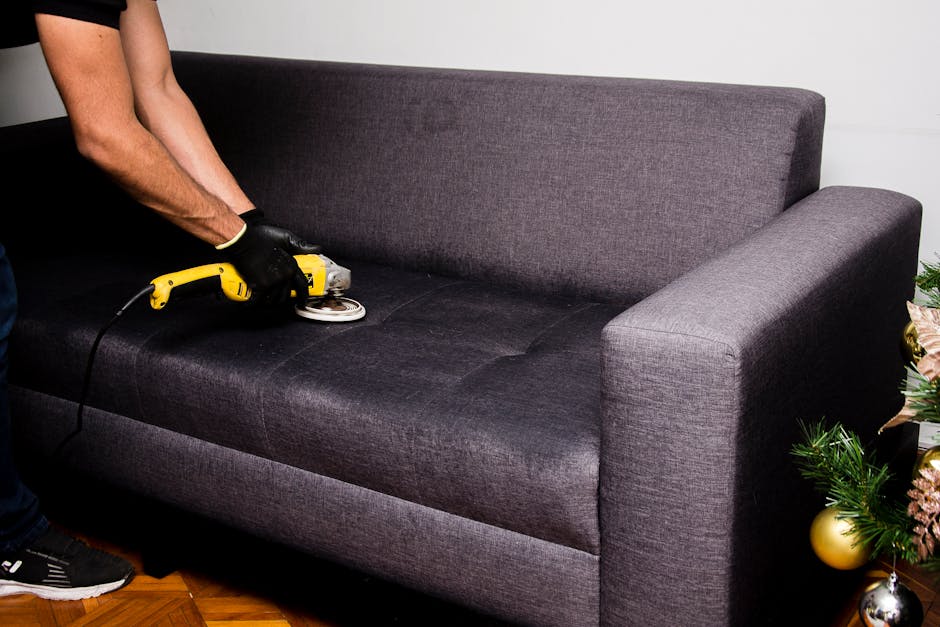
Why Lancaster Gate upholstery cleaning guide for Bayswater homes Matters
Upholstery is one of those things people stop noticing until it starts to bother them. A faint smell. A dark patch on the armrest. Cushions that look flattened before their time. In Bayswater homes, especially flats and period conversions, upholstery often does double duty: it is used daily, seen by guests, and expected to look presentable in not much space. That makes proper cleaning more than just a cosmetic job.
The Lancaster Gate area sits close enough to the pace of central London that many homes see a fair bit of footfall. Visitors bring in outdoor dust, damp coats, and the sort of city grime you only really spot when sunlight lands on a pale sofa at 10 a.m. It happens. Add in children, pets, cooking smells drifting from open-plan rooms, and the occasional spill, and upholstered furniture starts absorbing more than most people realise.
There is also a practical side. Regular cleaning can help fabric last longer, reduce staining, and make your home feel fresher without replacing furniture early. If you are renting, preparing to move, or managing a property, upholstery condition can also affect the overall impression of cleanliness. That is where services like upholstery cleaning in Bayswater become especially useful, particularly when paired with end of tenancy cleaning in Bayswater.
Practical takeaway: the sooner you treat upholstery as part of regular home maintenance, the less likely you are to face stubborn odours, fibre damage, or rushed last-minute cleaning before guests arrive.
How Lancaster Gate upholstery cleaning guide for Bayswater homes Works
Good upholstery cleaning starts with knowing what the fabric can handle. That sounds obvious, but it is where many mistakes begin. A cotton blend sofa, a wool chair, a velvet ottoman, and a synthetic dining bench all behave differently when they meet moisture, heat, or cleaning agents. The method should follow the material, not the other way around.
Most professional upholstery cleaning follows a fairly sensible sequence: inspect, test, pre-treat, clean, extract or wipe, then dry carefully. The exact technique depends on the fabric label, the type of staining, and the construction of the furniture. Some items respond well to hot water extraction, while others need low-moisture cleaning or specialist solvent-based treatment. If a technician skips the inspection stage, that is a bit of a red flag.
In a typical Bayswater home, the process may also need to account for access. Narrow hallways, stair-only buildings, and compact living rooms are common in London flats. That affects what equipment can be brought in, how long drying may take, and how carefully furniture needs to be moved. If you are planning a wider refresh, it is often sensible to combine sofa and chair cleaning with house cleaning in Bayswater or a broader domestic cleaning service so the whole room feels properly finished.
One useful thing to remember: upholstery cleaning is not just about removing visible marks. A lot of the value comes from lifting fine dust, skin oils, and everyday residue that settle deep into the fibres. You do not always see that dirt. You smell it, or feel it, before you see it.
Key Benefits and Practical Advantages
People often think upholstery cleaning is about making a sofa look nice for ten minutes. It is a bit more than that.
- Improved appearance: Colours look brighter, pile is revived, and old traffic areas can look far less dull.
- Better freshness: Odours from food, smoke, pets, and general use can be reduced noticeably.
- Longer furniture life: Removing abrasive dirt helps fabrics wear more slowly.
- Healthier-feeling rooms: Clean upholstery tends to hold less dust and debris.
- Better property presentation: Helpful for viewings, guest stays, and end of tenancy standards.
- More cost-effective than replacement: In many cases, cleaning gives furniture a few more good years.
There is also a psychological benefit. A clean sofa changes how a room feels. It can make the whole place feel lighter, almost like the windows have opened wider. That matters in Bayswater homes where space may already be working hard for you.
If your furniture is part of a bigger seasonal tidy-up, a service like one-off cleaning in Bayswater can be a smart companion to upholstery care. You tidy the room once, properly, rather than endlessly nibbling around the edges.
Who This Is For and When It Makes Sense
This guide is useful for a few very different readers, and honestly, that is part of the point. Upholstery cleaning is not only for people with obvious stains.
It makes sense if you are:
- a homeowner wanting to refresh a lived-in sofa or dining chairs
- a tenant hoping to leave the property in a strong condition
- a landlord or letting agent preparing a flat for new occupants
- a family dealing with spills, sticky hands, and the occasional mystery mark
- a pet owner managing fur, odours, and everyday wear
- someone with a delicate fabric, such as velvet or mixed-fibre upholstery
It also makes sense if you simply notice the room is not quite as fresh as it used to be. There does not have to be a disaster. In fact, the best results usually come before the furniture gets visibly bad. A quiet little refresh now is far easier than a rescue job later.
For Bayswater residents comparing property upkeep needs, the local housing context matters too. If you are thinking about moving, renovating, or investing, some practical reading like should you move to Bayswater? and a guide to Bayswater real estate buying can help you think about how property presentation and maintenance fit together.
Step-by-Step Guidance
If you want to understand upholstery cleaning properly, it helps to think in stages. That way you are not just guessing with a cloth and hoping for the best. Which, let's face it, is how a lot of home cleaning starts.
1. Identify the fabric
Check the care label, if there is one. Some fabrics are water-safe, some need solvent cleaning, and some are very sensitive to moisture. If you cannot identify the fabric confidently, treat it as delicate until proven otherwise.
2. Assess the level of soiling
Look for stains, discolouration, odour, flattened pile, and any signs of previous cleaning damage. A light refresh and a deep stain removal job are not the same thing, even if they look similar at first glance.
3. Test in an unseen spot
Any cleaning product or method should be tested on a hidden area first. That includes homemade solutions. A small test patch can save you from a very obvious mistake in the middle of the cushion.
4. Vacuum thoroughly
Vacuuming removes loose debris, crumbs, hair, and dust before moisture goes anywhere near the fabric. Use the upholstery attachment and work into seams, buttons, and creases.
5. Pre-treat marks carefully
Spot treatment should be controlled and minimal. Do not soak the area. Apply only what is needed, then blot rather than rub. Rubbing can spread the stain and roughen the fibres.
6. Clean with the correct method
Depending on the fabric and condition, that may mean hot water extraction, low-moisture foam, hand cleaning, or specialist treatment. A professional will choose the method based on the item, not guesswork.
7. Manage drying time
Drying matters more than many people think. Good airflow, sensible room temperature, and avoiding over-wetting all help prevent musty smells and water marks. If a sofa still feels damp hours later, something has probably gone off-script.
8. Finish with grooming and inspection
Some fabrics need brushing or grooming once dry to restore the look and lift the pile. Then inspect for missed marks, tide lines, or areas that may need a second pass. Tiny details, yes, but they matter.
If you are planning to have more than one area of the home cleaned, a broader professional visit via services overview can help you coordinate upholstery with carpet or household cleaning more efficiently.
Expert Tips for Better Results
There are a few small habits that make a big difference. None of them are flashy. All of them help.
- Deal with spills quickly, but gently. The first 10 minutes are often more useful than the next 10 products you might be tempted to try.
- Blot, don't scrub. Scrubbing pushes liquid deeper and can distort the fabric surface.
- Match the method to the material. Velvet, chenille, linen, and synthetic blends do not want the same treatment.
- Avoid over-wetting cushions. Excess moisture can lead to odour, shrinkage, or slow drying.
- Think about the whole room. Upholstery, curtains, and carpets often collect the same airborne dust. If one is dirty, the others often are too.
- Be realistic about stains. Some marks improve dramatically, some fade partially, and some have already altered the fibre. Honest expectations save disappointment.
A small but important note: velvet and delicate pile fabrics deserve patience. If you are caring for soft furnishings as well, this related guide on cleaning velvet curtains safely is a useful companion read, because the same careful mindset applies. Not exactly the same material, of course, but close enough to matter.
And if you have pets, a lint roller is not enough. It is never enough. Trust me on that one.

Common Mistakes to Avoid
Most upholstery damage does not come from dirt. It comes from panic cleaning.
- Using too much water: This is the classic. It may look satisfying at first, then turns into slow drying and possible staining around the edges.
- Applying random household cleaners: Bleach, strong detergents, and strong solvents can change colour or damage fibres.
- Skipping a patch test: A five-minute test is far cheaper than replacing a cushion cover.
- Scrubbing stains aggressively: This can spread the stain and make the texture look worn.
- Ignoring drying conditions: Damp upholstery left in a closed room may smell worse than before.
- Assuming all sofas are the same: Fabric type, construction, and age matter a lot.
Another mistake is waiting too long. A stain left for months is much harder to shift than one dealt with promptly. That sounds obvious, but in real life people get busy, then forget, then suddenly the mark has become part of the furniture. Bit annoying, really.
Tools, Resources and Recommendations
You do not need a warehouse of equipment to care for upholstery properly. A small set of sensible tools usually goes a long way.
| Tool / Resource | Why it helps | Best use |
|---|---|---|
| Upholstery vacuum attachment | Lifts dust and debris from seams and textured fabrics | Routine maintenance and pre-cleaning |
| Soft brush | Helps loosen particles without damaging the surface | Dry cleaning and fabric grooming |
| Microfibre cloths | Useful for blotting and controlled spot treatment | Minor spill response |
| Patch test area | Lets you check colourfastness and fabric reaction | Any new product or method |
| Professional inspection | Reduces the risk of wrong method selection | Delicate, valuable, or heavily soiled items |
If you are comparing service options, pricing and scope matter. A light refresh, a stain-led clean, and a full-room reset are not interchangeable, so it is wise to review pricing and quotes before deciding. That keeps expectations honest on both sides.
When you want a broader home refresh rather than just one sofa or chair, the most practical route is often to combine upholstery with carpet cleaning in Bayswater or a periodic one-off clean. The rooms tend to benefit from each other.
Law, Compliance, Standards, or Best Practice
This topic does not usually involve complicated regulation for the homeowner, but there are still sensible standards worth following. In the UK, it is normal best practice for cleaning work to be carried out safely, with suitable products, proper ventilation, and care around electrical equipment, delicate fabrics, and any access limitations in the property.
If you are hiring someone, it is reasonable to expect clear communication about what is included, how delicate items are handled, and what happens if a fabric is high-risk or previously damaged. Good providers should be able to explain their approach plainly. You should not have to decode jargon to understand how your sofa will be treated.
For landlords, managing agents, or tenants involved in check-out cleaning, upholstery condition may be part of a wider responsibility to leave the property in an acceptable condition under the tenancy agreement. Always check your agreement carefully; that part matters. It is also sensible to understand how a cleaning provider handles access, care of belongings, and any limitations before work begins. The service pages on health and safety and insurance and safety are helpful starting points if you want to know what standards a company says it follows.
Privacy and payment handling are worth a glance too, especially when booking online. If you are the kind of person who likes the admin side to be clean as well as the sofa, the company's privacy policy and payment and security information are part of that trust-building picture.
Options, Methods, or Comparison Table
Choosing the right upholstery cleaning method depends on fabric, soiling, drying tolerance, and how much risk you are willing to take. Here is a simple comparison that may help.
| Method | Best for | Pros | Watch-outs |
|---|---|---|---|
| Vacuuming and dry grooming | Routine maintenance | Fast, low-risk, good for dust and crumbs | Won't remove deep stains or odours |
| Spot cleaning | Small fresh spills | Targeted and economical | Easy to over-wet or spread stains |
| Low-moisture cleaning | Delicate or lightly soiled fabrics | Shorter drying time, less saturation | May not fully resolve heavy staining |
| Hot water extraction | Many synthetic fabrics and deep soil | Strong cleaning power, good refresh | Not suitable for every fabric |
| Specialist treatment | Velvet, antique, or sensitive items | Tailored to material and condition | May take longer and cost more |
There is no universally "best" method. The best method is the one that suits your upholstery without risking the fabric. That sounds almost too simple, but it is the truth.
Case Study or Real-World Example
Imagine a Bayswater flat near Lancaster Gate where the main living room sofa has a few years of everyday use behind it. The cushions are still comfortable, but the arms look dull, there is a faint coffee mark on one side, and the fabric has picked up that slightly stale, lived-in smell that often shows up in smaller London spaces.
The homeowner might assume the sofa needs replacing. In practice, a better approach would be to identify the fabric, test the cleaner, pre-treat the mark carefully, and use a suitable low-moisture or extraction method depending on the material. If the room also has a rug, carpet, or curtains that carry similar dust, cleaning just the sofa may only fix half the problem. The room can still feel unfinished.
In a case like this, combining the sofa clean with a broader refresh can make a surprisingly large difference. A cleaner sofa, a fresher carpet, and a room that smells neutral again often changes how the whole flat feels. It is one of those small home improvements that lands more strongly than you expect. You sit down, notice it, and think: ah, that's better.
For homes with lots of soft furnishings, browsing related advice such as carpet cleaning flats in Westbourne Grove can also help you think about maintenance as a full-home job rather than a single-item fix.
Practical Checklist
Use this quick checklist before you start any upholstery cleaning job, whether you are doing a small refresh or booking help.
- Check the fabric label or identify the material as best you can
- Look for stains, odours, wear, and previous damage
- Test any product on a hidden area first
- Vacuum seams, cushions, buttons, and creases
- Decide whether the item needs spot cleaning, low-moisture cleaning, or specialist treatment
- Avoid soaking the fabric
- Keep windows open or improve airflow during drying
- Protect nearby flooring and wooden furniture from drips
- Review the room as a whole, not just one chair or sofa
- Book professional help if the item is delicate, valuable, or heavily stained
Expert summary: if the fabric is delicate, the stain is old, or the furniture matters to you, do not improvise too much. A careful plan is almost always better than a brave guess.
Get a free quote today and see how much you can save.
Conclusion
Upholstery cleaning is one of those home tasks that looks simple from a distance and slightly fussy up close. But once you understand the fabric, the risks, and the right method, it becomes much easier to manage well. In Bayswater homes, where space is precious and soft furnishings work hard every day, regular upholstery care can make a real difference to comfort, appearance, and the feeling of the whole room.
The key is to stay practical. Do not over-clean. Do not guess with delicate fabrics. And do not wait until a small stain has turned into a long-term resident. A little care goes a long way, honestly. If you want the safest route, choose a method that matches the material and the level of soiling, then build from there.
When in doubt, use a trusted local service, ask sensible questions, and keep expectations realistic. That combination tends to work very well. And, to be fair, a fresher sofa can make a room feel like it has had a proper breath of air.